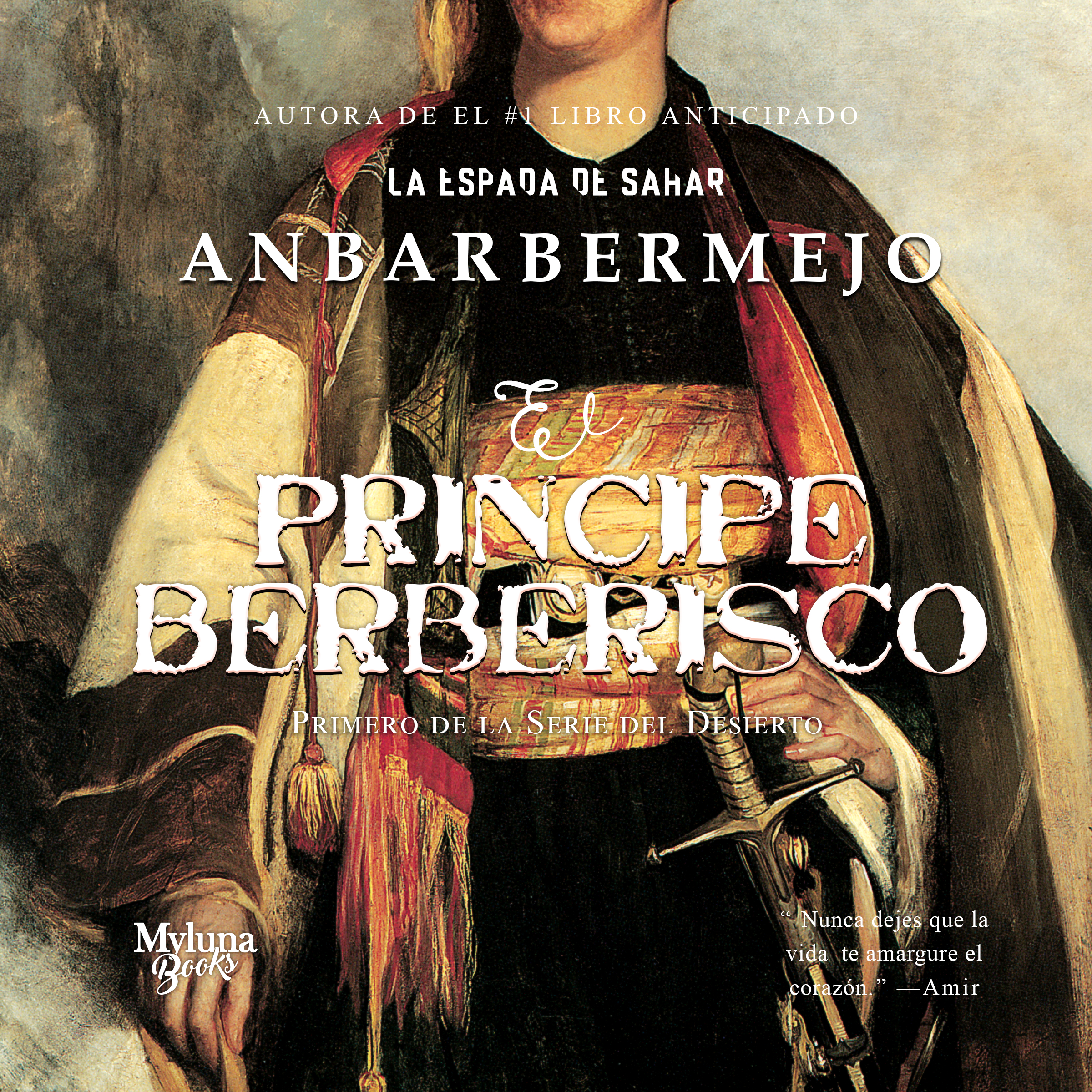
El Príncipe Berberisco: Amor, identidad y propósito en las arenas del Gran Desierto
Queridos lectores y amigos que seguís mi camino literario,
Hoy, con el corazón lleno de gratitud y una pizca de nostalgia, quiero hablaros de El Príncipe Berberisco, el primer libro de la Serie del Desierto. Publicada hace algunos años, esta novela sigue siendo para mí el origen de todo: el momento en que decidí que las historias de romance histórico podían (y debían) tener profundidad, matices y esa capacidad de transportarnos a lugares donde el alma se pone a prueba.
Todo empezó con una imagen muy concreta. Momentos antes de que el sol amaneciera en un horizonte cercano, el pirata de Berbería Murad Reis lanza un ataque sorpresa contra una pequeña aldea costera. El caos, los gritos, el rapto de vidas enteras. Entre los prisioneros hay un hombre del norte: Amir. Lo que ocurre después no es solo una aventura de cautiverio. Es el relato de cómo un ser humano, arrancado de todo lo que conocía, debe reconstruirse en las arenas secas del Gran Desierto.
La novela surge de mi fascinación por esa época de corsarios berberiscos, rutas comerciales transaharianas y culturas que se rozaban en el filo de la espada y el comercio. Pero no quería contar una historia de buenos contra malos. Quería algo más honesto: una mirada respetuosa, sin patriotismo fácil ni caricaturas, a personajes que la cultura popular suele simplificar. Hombres y mujeres con su propio código de honor, sus heridas y su capacidad de cambio.
A través de los ojos de Amir descubrimos un relato reinventado de esclavo y amo. No es la versión romántica edulcorada que a veces se vende. Es una relación compleja, cargada de tensión, poder, vulnerabilidad y, poco a poco, de una conexión que ninguno de los dos busca pero que ninguno puede evitar. Amir se ve obligado a vivir entre mundos sin saber cuál es su juicio para vivir. El desierto le quita las certezas una a una: su lengua, sus costumbres, su sentido de superioridad o inferioridad. Y en ese vacío, algo nuevo empieza a nacer.
El Gran Desierto no es solo escenario. Es un personaje vivo. Durante el día, el sol es un verdugo que obliga a la introspección. Por la noche, las estrellas parecen susurrar verdades que en las ciudades nadie se atreve a pronunciar. Las dunas cambian de forma como los sentimientos de Amir: movedizas, traicioneras, hermosas. En ese paisaje extremo, las máscaras caen. Lo que queda es el ser humano en su esencia más cruda: miedo, deseo, lealtad, traición y esa hambre profunda de propósito que todos llevamos dentro.
Escribir esta novela me exigió investigación rigurosa y, al mismo tiempo, libertad creativa. Leí crónicas de viajeros, estudios sobre la piratería berberisca, descripciones de la vida nómada, la organización de las tribus y la forma en que el honor y la hospitalidad funcionaban en el desierto. Quise que cada detalle, el sabor del té con menta, el peso de una daga, el sonido de la arena bajo los pies, el olor de las especias en el zoco— contribuyera a la inmersión. Porque el romance histórico, cuando se hace bien, no solo entretiene: nos permite habitar otra piel y preguntarnos qué haríamos nosotros en su lugar.
El Príncipe Berberisco es, ante todo, una historia de amor. Un amor que nace en las circunstancias más adversas, que se construye con miradas, silencios, pequeños actos de confianza y grandes gestos de coraje. Es un romance de slow burn, de tensión constante, de química que crece orgánicamente hasta volverse inevitable. Los protagonistas no son perfectos. Tienen orgullo, prejuicios, miedos. Y precisamente por eso su transformación resulta creíble y conmovedora.
La novela pertenece al género romance histórico con elementos de fantasía romántica. Esa etiqueta no es casual. Hay una grandeza casi mítica en el desierto, en la figura del príncipe berberisco y en el destino que parece guiar a Amir hacia un propósito que él mismo no imaginaba. Al mismo tiempo, todo se siente peligrosamente real. El lector siente el calor, el polvo, la sed, el peligro y, sobre todo, la esperanza frágil pero terca que se niega a morir.
A lo largo de los años he recibido mensajes de lectores que me cuentan cómo esta historia les acompañó en momentos de cambio personal, cómo se identificaron con la sensación de “vivir entre dos mundos”, o cómo el desierto se convirtió para ellos en una metáfora de sus propias arenas interiores. Esas palabras son el mayor regalo que puede recibir una autora independiente.
Si todavía no has leído El Príncipe Berberisco, te invito a dar el paso. Es una novela de casi 300 páginas que se lee con fluidez, pero que se saborea despacio. Ideal para quienes buscan romance con profundidad, aventura con alma y personajes que te acompañan mucho después de cerrar el libro.
¿Dónde encontrarlo?
Disponible en tapa dura a través de mi tienda oficial en anbarbermejo.com y en Amazon. También puedes buscarlo por ISBN 9781387597239.
Si ya lo leíste, por favor deja una reseña honesta (aunque sea corta). Para los autores que publicamos de forma independiente, cada palabra de un lector real es oxígeno. Ayuda a que más personas descubran la Serie del Desierto y permite que esta historia siga viva.
La Serie del Desierto apenas comienza. Hay más romances, más aventuras y más exploraciones del corazón humano esperando entre las dunas. Si te ha gustado el tono de El Príncipe Berberisco —esa mezcla de rigor histórico, pasión romántica y reflexión sobre la identidad—, estate atento. El desierto tiene muchas historias que contar.
Mientras tanto, os dejo una pregunta: ¿qué os atrae más de las historias ambientadas en el desierto? ¿El exotismo, la sensación de libertad, la intensidad de las relaciones que nacen en la adversidad, o la metáfora del viaje interior? Me encantaría leeros en los comentarios.
Gracias por acompañarme en este viaje. Gracias por seguir creyendo en las historias que nacen del corazón y se escriben con las manos.
Con cariño y gratitud,
Anbar Bermejo
Autora de El Príncipe Berberisco y la Serie del Desierto
Connect